

Navigate the complexities of EV battery costs, warranties, and repair options across top brands to make informed decisions.
Key Insights into EV Battery Replacement Costs
- Warranties are Your Shield: The vast majority of EV owners will never pay for an out-of-warranty battery replacement thanks to robust manufacturer guarantees, typically 8 years/100,000 miles.
- Cost Declines & Modular Repairs: Battery costs continue to fall significantly, making replacements more affordable. Furthermore, module-level repairs and refurbished packs offer substantial savings over full pack replacements.
- Pack Size is King: The primary driver of replacement cost is the battery's kilowatt-hour (kWh) capacity; larger packs inherently cost more.
Electric vehicles (EVs) are no longer a futuristic concept but a rapidly growing reality on our roads. As more drivers embrace this cleaner, often more efficient mode of transport, a critical question frequently arises: "What happens if my EV battery needs replacing, and how much will it truly cost?" This concern is entirely valid, as the battery pack is the heart of an EV and traditionally its most expensive component. However, the narrative around prohibitively expensive battery replacements is rapidly becoming outdated.
In 2026, the landscape of EV battery costs is evolving, with consistent price drops, expanding repair options, and comprehensive warranty coverage making long-term EV ownership more predictable and affordable than ever before. This guide aims to demystify these costs, offering a realistic breakdown by brand, exploring factors influencing pricing, and outlining smart strategies for both current and prospective EV owners.
Important Note for Readers: The prices presented here are 2026 estimates, derived from current market data, dealer quotes, and industry projections. Actual costs can fluctuate based on regional labor rates, parts availability, specific vehicle trim, battery chemistry, warranty status, and whether you opt for a new, refurbished, or module-level repair. Always obtain multiple, current quotes for your specific situation.
Decoding EV Battery Replacement Costs in 2026
The trajectory of EV battery costs has been remarkable. Over the past 15 years, battery cell costs have plunged by approximately 90%, with a notable 20% drop occurring in 2024 alone. Experts project that the cost of a battery pack will hover around $80 per kilowatt-hour (kWh) by 2026. This consistent downward trend is making replacements increasingly attainable compared to just a few years ago. Despite this, a full battery pack still represents a significant investment.
Typically, a full EV battery pack replacement in 2026 ranges from $3,500 to $20,000+. This broad spectrum reflects fundamental differences in battery size, chemistry, manufacturer-specific service pricing, and the choice between original equipment manufacturer (OEM) parts versus third-party alternatives. Labor costs, which usually fall between $1,000 and $3,000, further contribute to the total. Specialized technicians, required for high-voltage systems, typically command $150-$250 per hour.
The Variables Behind Battery Price Variability
Understanding why EV battery replacement costs can vary so widely is crucial for budgeting. Several key factors play a significant role:
Battery Size (kWh): The Primary Cost Driver
- The capacity of the battery, measured in kilowatt-hours (kWh), is the single most influential factor. Larger battery packs require more raw materials and cells, directly escalating the cost. This is why a compact EV's battery will almost always be cheaper to replace than that of a large SUV or truck.
Make, Model, and Design Complexity
- Different manufacturers utilize unique pack designs and battery chemistries. Some designs, such as those found in older Nissan LEAFs, are engineered for relatively easier module replacement. Others, like many Tesla models, often necessitate a full pack replacement due to integrated designs, which can drive up costs.
Battery Chemistry: LFP vs. NMC/NCA
- LFP (Lithium Iron Phosphate): Generally more affordable per kWh and more resilient to frequent charging to higher states of charge. EVs using LFP batteries, like some BYD models and certain Tesla trims, may incur lower replacement costs.
- NMC/NCA (Nickel-rich chemistries): Often offer higher energy density but can be more expensive per kWh and more sensitive to sustained high states of charge and heat from fast charging.
Warranty Coverage: Your Financial Backstop
- Most EV batteries come with extensive warranties, typically 8 years or 100,000 miles. If a battery fails or experiences significant degradation within this period, the manufacturer generally covers the cost of repair or replacement. This is the most common scenario, meaning many owners will never pay out-of-pocket.
New vs. Refurbished/Module Repair Options
- Opting for a refurbished pack or repairing individual modules can drastically reduce costs compared to a brand-new OEM pack. A robust market for refurbished Tesla packs, for instance, offers significant savings over dealer prices.
Labor Rates & Availability of Specialists
- Labor costs vary by region and service provider (dealership vs. independent specialist). The need for high-voltage certification and specialized tools for EV battery work contributes to the hourly rates of technicians.
EV Battery Replacement Cost Estimates by Brand (2026)
Below is a realistic overview of estimated 2026 battery replacement costs for popular EV brands and models. These figures generally include both parts and labor for out-of-warranty replacements, acknowledging that actual costs can vary.
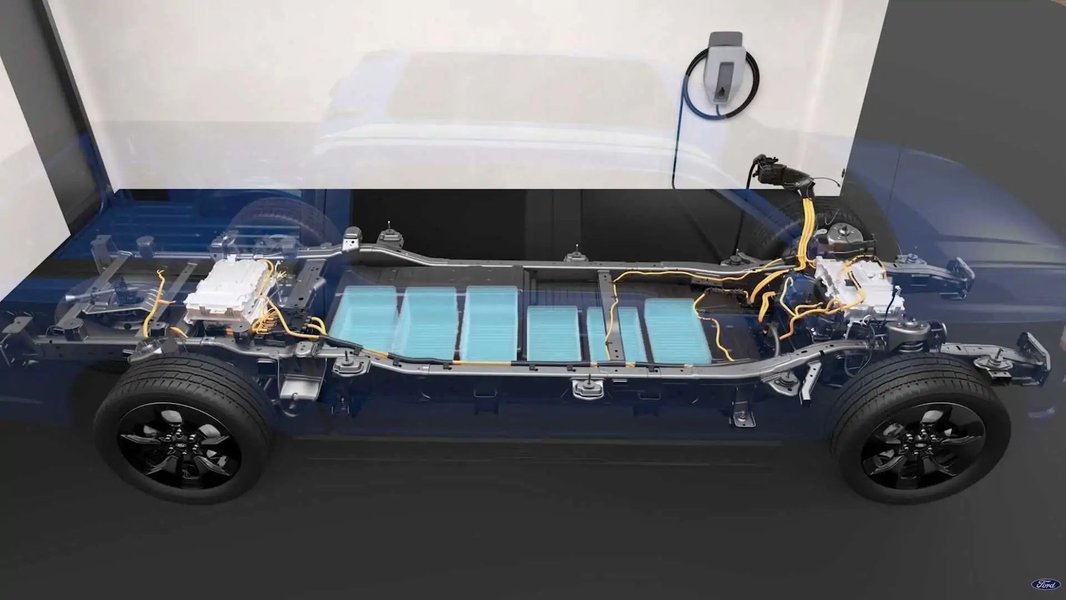
A view of an EV platform, highlighting the integrated battery pack.
| Brand/Model | Battery Size (Approx.) | Estimated Replacement Cost (2026, Installed) | Typical Warranty | Key Considerations for Replacement |
|---|---|---|---|---|
| Tesla Model 3 SR/LR | 57.5 kWh / 82 kWh | $5,000–$15,500 (Refurbished: $6,500–$14,500) | 8 years / 100K–120K miles | Strong refurbished market offers significant savings. Costs vary by trim and source. |
| Nissan Leaf (24–62 kWh) | 24 kWh to 62 kWh | $3,500–$8,500 | 8 years / 100K miles | Known for easier module-level repairs and strong third-party support. Older packs are cheaper. |
| Chevrolet Bolt EV/EUV | 65 kWh | $8,000–$16,000 | 8 years / 100K miles | OEM costs can be high; third-party options and module repair can reduce expenses. |
| Hyundai IONIQ 5 / 6 | 77.4 kWh | $7,000–$12,000 | 10 years / 100K miles (for first owner) | Excellent warranty coverage often means owners won't pay for early replacements. |
| Kia EV6 LR | 77.4 kWh | $7,000–$12,000 | 10 years / 100K miles (for first owner) | Similar to Hyundai, benefits from strong warranty support. |
| BYD (Blade LFP platforms) | 60–80+ kWh | $6,000–$14,000 | Varies by market; check local policy | LFP chemistry generally leads to lower per-kWh replacement costs. |
| Ford Mustang Mach-E | 70–91 kWh | $9,000–$14,000 | 8 years / 100K miles | Module repair might be an option; costs are dependent on pack size (Standard vs. Extended Range). |
| Ford F-150 Lightning | 98–131 kWh | $20,000–$38,000+ | 8 years / 100K–175K miles | Due to extremely large pack sizes, these are among the most expensive replacements. |
| Rivian R1T/R1S | 135 kWh | $14,000–$20,000 | 8 years / 175K miles | Another example of large pack size directly correlating with higher replacement costs. |
| Tesla Model S/X (older, larger packs) | Up to 100 kWh | $10,000–$25,000+ | 8 years / 100K–150K miles | Luxury and older models with larger, more complex packs can command top-tier prices. |
"The single biggest factor in replacement cost is how big the battery pack is, measured in kilowatt-hours (kWh). A bigger pack means more cells, more raw material, and a bigger bill when it needs replacing out of warranty. Labor alone usually adds $1,000 to $3,000, since specialist technicians who work on high-voltage packs typically charge $150-$250 an hour."
— Motorwatt
Warranty, Insurance, and Extended Coverage Your Safety Net
One of the most reassuring aspects of owning an EV is the robust battery warranty coverage provided by manufacturers. In most regions, EV manufacturers are legally mandated to provide battery warranty coverage for at least eight years or 100,000 miles after the initial purchase. Some automakers, such as Hyundai and Kia for their first owners, offer even more extensive warranties, stretching up to ten years. These warranties typically safeguard the battery against complete failure and often include provisions for replacement if its capacity degrades below a specified threshold (commonly 70%).
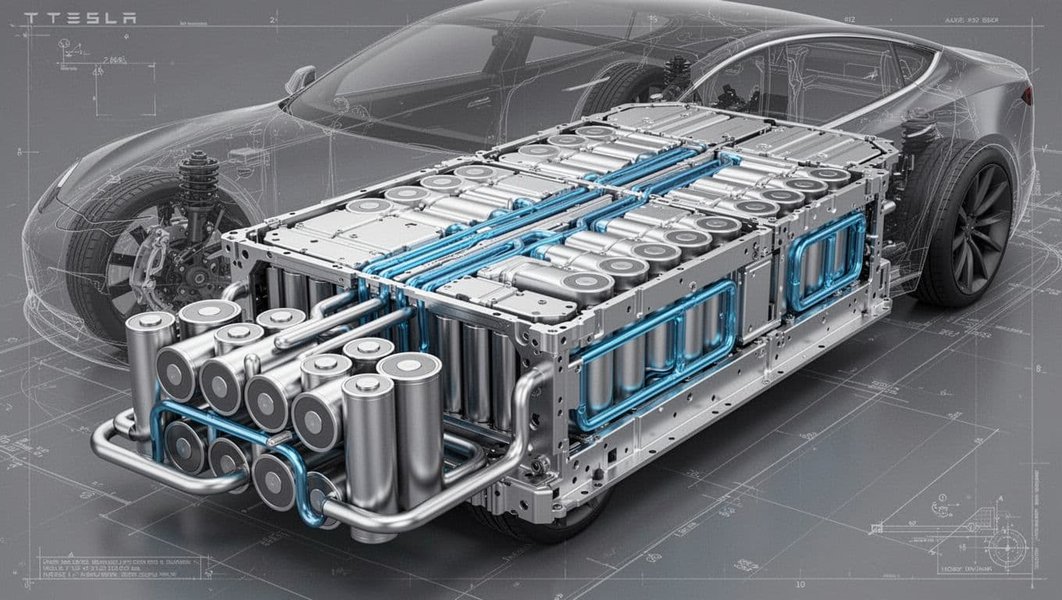
An internal view of a Tesla battery pack, showcasing its modular design.
Understanding Your Warranty Coverage
Factory Warranty: Your Primary Protection
- For nearly all contemporary EVs, if your battery fails or suffers significant degradation (below 70% of original capacity) within the warranty period, the manufacturer will cover the repair or replacement cost. These warranties are frequently transferable to subsequent owners, a crucial detail for buyers of used EVs.
Extended Warranties: Peace of Mind Beyond Factory Limits
- As EVs approach the end of their factory warranty, extended warranty plans become available. These generally range from $600 to $3,600 annually, with luxury models potentially costing up to $5,000 per year. They offer an additional layer of security for out-of-warranty failures.
Insurance Coverage: For Accidental Damage
- Standard auto insurance policies typically cover battery damage resulting from accidents, fire, or other specified perils, much like they would other major vehicle components. However, it's vital to note that insurance usually does not cover normal battery degradation or mechanical failure outside of a warranty.
Important Note: Research by Recurrent Auto, tracking over 20,000 EVs, indicates that only about 2.5% of EVs have ever required a full battery replacement, with most of these being older, first-generation models now over 14 years old. This strongly suggests that the actual need for an out-of-warranty replacement is far less common than often perceived.
Full Pack Replacement vs. Module-Level Repair: Strategic Choices
The cost and complexity of addressing a battery issue largely depend on whether the entire battery pack needs to be swapped or if individual modules within the pack can be repaired or replaced. Many modern EV batteries are designed with a degree of modularity.
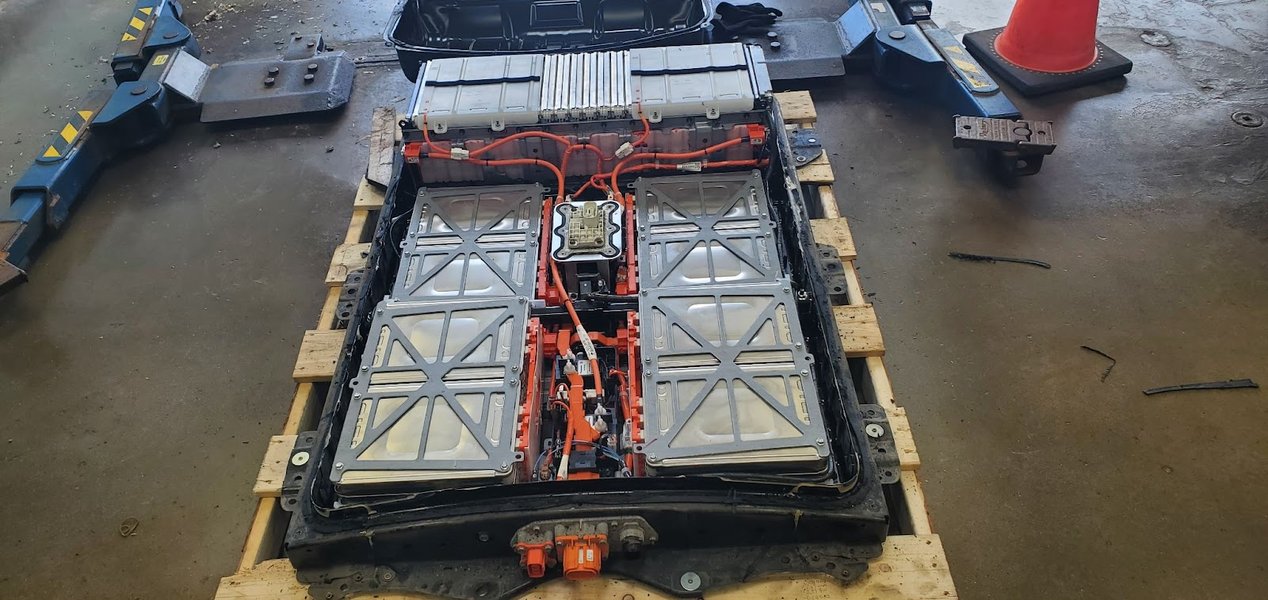
Technicians performing module-level service on an EV battery pack.
Understanding Your Options
Full Pack Replacement: The Most Extensive Option
- This involves replacing the entire battery unit. It's often the most expensive solution and is typically required when there's widespread degradation, a high-voltage isolation fault, or if the vehicle's structural pack design makes module-level repair impractical. This path is often chosen for simplicity of warranty.
Module-Level Repair: A Cost-Effective Alternative
- Some EVs, particularly earlier models like the Nissan LEAF and certain other designs, permit the replacement of individual battery modules. This can be significantly more affordable, sometimes costing a fraction of a full pack replacement. An independent EV specialist is often more equipped or willing to perform targeted module repairs than a dealership, which might primarily offer full pack replacements.
Refurbished Packs: A Growing Market
- A burgeoning market for refurbished EV battery packs offers another compelling option. These packs are usually more affordable than new OEM units and frequently come with their own warranties (e.g., some certified refurbishers offer 4-year/50,000-mile coverage for Tesla packs).
Important Note: Always seek at least two quotes: one from a dealer for an OEM pack, and another from a reputable independent EV specialist for potential module repair or a refurbished pack. The cost difference for the same issue can easily be $5,000–$12,000.
When Does Battery Replacement Make Financial Sense?
Deciding whether to replace an EV battery, especially outside of warranty, requires a careful financial calculation. A common guideline suggests that the replacement cost should ideally not exceed 35% of the vehicle’s current market value. If the replacement cost surpasses this threshold, it might be more economically sound to consider other options, such as selling the vehicle to a specialized rebuilder, trading it in for a newer EV (potentially leveraging federal tax credits and state incentives), or even parting it out.
For example, if a 2019 Tesla Model 3 Long Range is valued at $14,000 in mid-2026, a $13,000 battery replacement would likely not be a sound financial decision. Similarly, a 2022 Ford F-150 Lightning Extended Range, with a market value around $32,000, would render a $38,000 battery replacement quote fiscally impractical.
Comparing with Used Vehicle Replacement Costs
The average price for a used EV in Q4 2023 was around $27,800. While new EV battery replacement costs can range from $3,500 to $20,000+, they are often comparable to, or even cheaper than, the cost of acquiring another used vehicle. For instance, a Toyota dealership might quote $2,700 for a 2017 Prius hybrid battery replacement, whereas a new battery for a 2017 Nissan Leaf could be around $6,200.
The continuous decline in battery costs suggests that in the near future, replacing an EV battery pack could become more affordable than replacing a combustion engine. This makes an older EV with a new battery a potentially attractive and cost-effective option, particularly given that EVs generally have fewer moving parts and lower maintenance requirements than gasoline-powered cars.
"Soon enough, it will be cheaper to replace a battery pack than it would be to replace a combustion engine. And, unlike gas cars whose hundreds of moving parts often cause mechanical problems as they age, EVs have far fewer moving parts to wear down."
— Recurrent Auto
Maximizing Your EV Battery's Lifespan
While warranties and falling costs provide a crucial safety net, proactive battery management can significantly prolong your EV's operational life and help retain its resale value. Adopting smart charging and usage habits can make a substantial difference:
Optimal Charging and Thermal Management
- Maintain a "Sweet Spot" Charge: Aim to keep your battery's charge level consistently between 20% and 80%. This range minimizes stress on the battery cells and helps extend their overall lifespan.
- Moderate DC Fast Charging (DCFC): Utilize DC fast charging when absolutely necessary for long trips, but avoid making it your primary charging method. Data from March 2026 indicates that vehicles frequently using DCFC (over 12% of charging sessions) experience a higher annual degradation rate (2.5%-3.0%) compared to those primarily using AC Level 2 charging (1.5%).
- Control Thermal Stress: High temperatures accelerate battery degradation. Whenever possible, park your EV in the shade, especially in hot climates, and utilize pre-conditioning features to manage cabin and battery temperatures.
- Regular 100% Charge for Calibration: Periodically (e.g., once a month), charge your battery to 100%. This helps calibrate the Battery Management System (BMS), ensuring accurate range estimates and cell balancing, which is crucial for overall battery health.
Monitoring and Maintenance Best Practices
- Stay Informed with Diagnostics: Request battery health diagnostics (State of Health or SOH reports) during your regular service intervals. These reports provide valuable insights into your battery's condition and can help identify potential issues early.
- Keep Records: Maintain meticulous records of your charging habits and all service reports. Strong documentation can bolster warranty claims and enhance your vehicle's resale value.
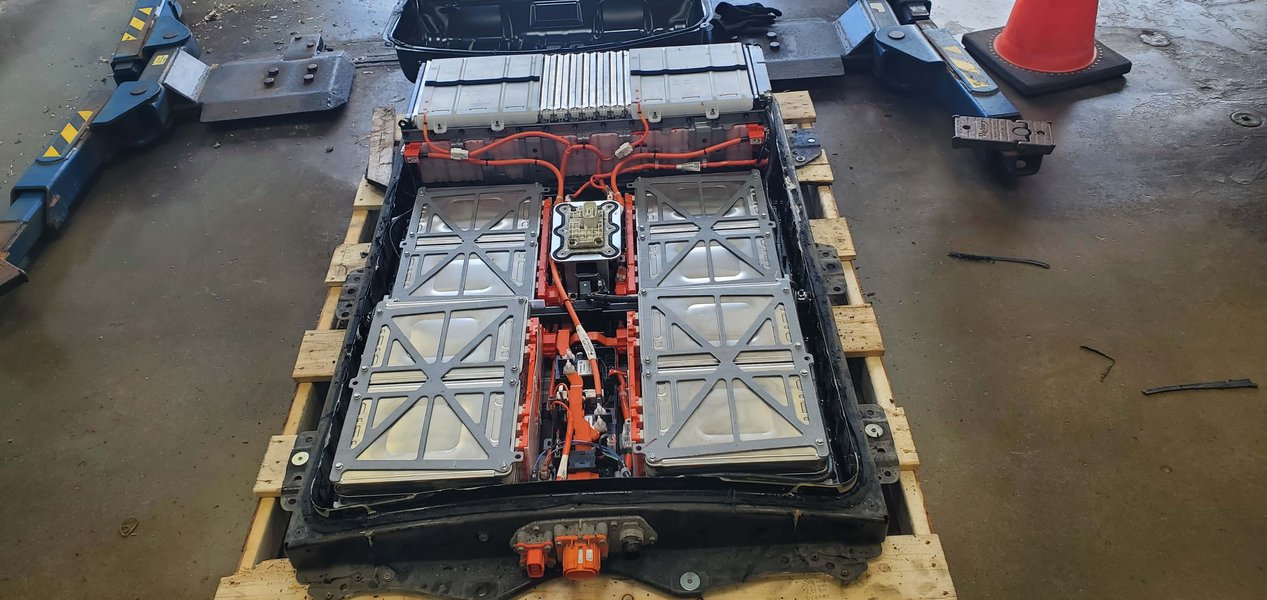
A detailed view of an EV battery pack's internal components, emphasizing modularity.
The Future Outlook for EV Battery Costs and Ownership
The encouraging trend of decreasing battery costs is projected to continue. BloombergNEF's 2024 Battery Price Survey forecasts pack costs to further decline to approximately $60/kWh by 2030. This ongoing reduction, coupled with continuous advancements in battery technology and the increasing availability of refurbished and module-level repair options, means that the long-term cost burden of EV battery replacement will become even more manageable and less of a concern.
Furthermore, the rapidly expanding second-life market for EV batteries offers an additional avenue for owners. By 2030, selling your old battery pack for stationary energy storage or backup power applications could help offset the cost of a new replacement, potentially reducing the effective price by $10-$20/kWh. This circular economy approach not only benefits owners financially but also contributes to greater sustainability.
In conclusion, while the initial prospect of an EV battery replacement might seem daunting, the reality in 2026 is far more favorable. Most owners will thankfully never need to pay for one out-of-pocket, thanks to comprehensive warranties. For those instances where replacement is necessary, falling costs, sophisticated modular repair options, and a growing market for refurbished parts are collectively making replacements more accessible and economically rational. By understanding these dynamic factors, both current EV owners and prospective buyers can approach electric mobility with significantly greater confidence and a clearer financial outlook.
Frequently Asked Questions (FAQ) about EV Battery Replacement Costs
In 2026, most owners will see quotes for a full EV battery replacement ranging from $5,000 to $20,000, including installation. This cost varies significantly based on the battery's kilowatt-hour (kWh) capacity, the specific make and model of the vehicle, and whether you opt for a new, refurbished, or module-level repair. Smaller packs in compact EVs are at the lower end, while large packs in premium SUVs and trucks can be at the higher end.
Most likely, yes. The vast majority of modern EVs come with comprehensive battery warranties, typically covering 8 years or 100,000 miles. These warranties cover manufacturing defects and significant capacity degradation (often below 70% of original capacity). If your battery needs replacement due to these issues within the warranty period, the manufacturer will cover the cost, meaning most owners will never pay out-of-pocket.
The reliability of refurbished packs varies by provider. It's crucial to choose a reputable refurbisher that offers documented testing, ensures balanced modules, and provides a clear written warranty (ideally at least 12 months, with some certified programs offering multi-year coverage). When sourced correctly, refurbished packs can be a cost-effective and reliable alternative to new OEM batteries.
Yes, module-level repair is a safe and often more affordable option, provided it's performed by qualified high-voltage technicians using proper diagnostic tools and compatible components. Always insist on a warranty for the repair work. This approach is best when only a few modules are faulty, rather than the entire pack.
Yes, the trend of decreasing battery costs is projected to continue. Industry forecasts, such as BloombergNEF's 2024 Battery Price Survey, predict further declines in pack costs to around $60/kWh by 2030. This ongoing reduction, combined with technological advancements and more repair options, will make future replacements even more affordable.
Brands with smaller battery packs, or those utilizing LFP (Lithium Iron Phosphate) chemistry, tend to have lower replacement costs. This includes many BYD models, certain Tesla trims (e.g., Standard Range), and the Nissan LEAF, especially with strong independent support for module repair. EVs with moderate pack sizes like the Tesla Model 3/Y, Hyundai IONIQ 5/6, and Kia EV6 are mid-range, while large trucks and SUVs (e.g., Ford F-150 Lightning) typically have the highest costs due to their massive battery capacities.
