

Deciphering the true driving distance for your Model 3, beyond the EPA sticker numbers.
Key Insights into Model 3 Range Realities
- EPA figures are a starting point: These laboratory tests provide a benchmark but rarely reflect actual daily driving conditions, especially on highways or in extreme weather.
- Speed is a major range reducer: Driving at higher highway speeds (70-80 mph) can significantly cut your Model 3's range, often by 20-30% compared to optimal speeds.
- Temperature and climate control matter: Cold weather, particularly with cabin heating, can lead to substantial range degradation. Preconditioning while plugged in is your best friend.
As a Tesla Model 3 owner or someone considering joining the electric revolution, you've likely seen those impressive EPA range figures. They're a big part of the appeal, promising hundreds of miles on a single charge. But what happens when the rubber meets the road, and you're navigating your daily commute or embarking on a road trip? The reality of your Tesla Model 3 range can often feel different from the sticker, influenced by a myriad of real-world factors.
This comprehensive guide aims to bridge the gap between advertised EPA ratings and what you'll actually experience. We'll delve into how elements like highway speed, fluctuating temperatures, the use of climate control, tire choices, and even your driving style play a crucial role in your Model 3's effective range. By understanding these dynamics and adopting smart habits, you can set realistic expectations and maximize every mile, ensuring a satisfying and anxiety-free electric driving experience.
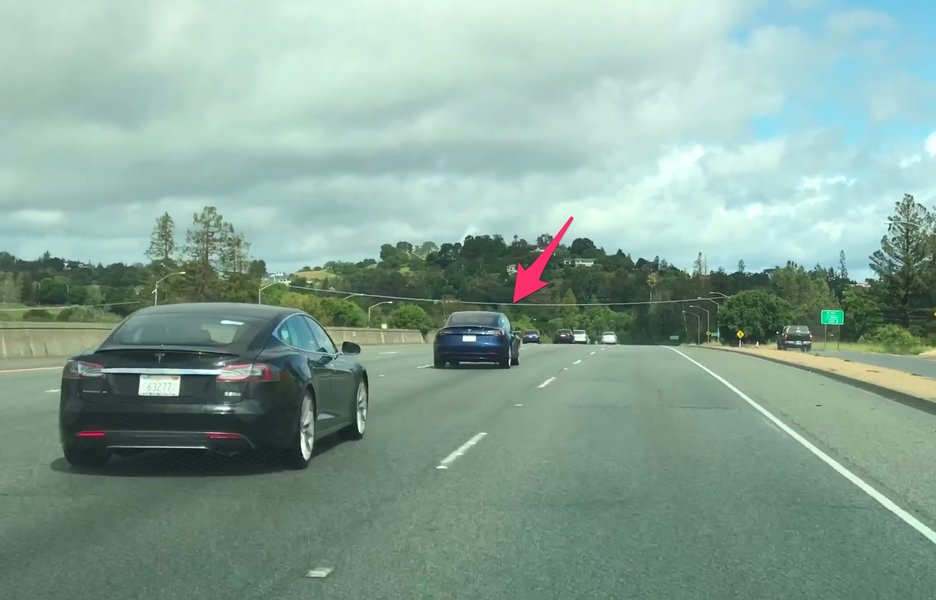
A Tesla Model 3 undergoing highway testing, where real-world range can differ significantly from EPA estimates.
Demystifying EPA Ratings: Lab vs. Life
The Environmental Protection Agency (EPA) range estimates are the official numbers you see plastered on new car windows. These figures are generated through standardized laboratory tests designed to provide a uniform comparison across different electric vehicles. The tests simulate a mix of city and highway driving, typically at moderate speeds and under controlled, mild temperatures, with minimal climate control usage.
For the Tesla Model 3, these official numbers are undeniably attractive:
- Standard Range RWD: Often quoted between 272-280 miles (recent models, including "Highland" variants, can see 321-363 miles)
- Long Range AWD: Typically 341-358 miles (newer models often around 341-346 miles)
- Performance: Ranging from 296-315 miles (recent models typically 303-315 miles)
While valuable for comparing one EV to another, it's crucial to understand that these are benchmarks. They represent an ideal scenario that's rarely perfectly replicated in your everyday driving. Think of them as a car's potential under perfect conditions, not a guarantee for every journey.
The Inherent Discrepancy: Why Real-World Differs
The primary reason for the gap between EPA and real-world range lies in the controlled nature of the EPA tests versus the unpredictable variables of actual driving. Here’s a quick breakdown:
What the EPA Number Represents
- A combined city/highway efficiency metric, converting energy use into a single "full-to-empty" range.
- Testing occurs at moderate speeds (average around 48 mph) and ambient temperatures (typically 68-86°F or 20-30°C).
- No external factors like strong headwinds, steep gradients, heavy passenger loads, or active climate control are fully simulated.
Where Real-World Driving Diverges
- Higher Speeds: Aerodynamic drag increases exponentially with speed, making 70-80 mph highway driving far less efficient than the EPA's average test speed.
- Temperature Extremes: Both very cold and very hot conditions impact battery efficiency and necessitate active climate control, drawing significant power.
- Terrain and Wind: Hills require more energy to ascend, and headwinds constantly work against the car's efficiency.
- Driver Behavior: Aggressive acceleration and braking patterns, while fun, consume more energy than smooth, anticipatory driving.
"The EPA rating is like the advertised fuel economy for a gasoline car; you might hit it occasionally, but typically, it's a bit lower based on how and where you drive."
Tesla Model 3 Trims: EPA vs. Typical Real-World Experience
Let's get down to the numbers that matter most: what owners actually report experiencing. Independent tests and owner feedback consistently show patterns for each Model 3 variant under various conditions.
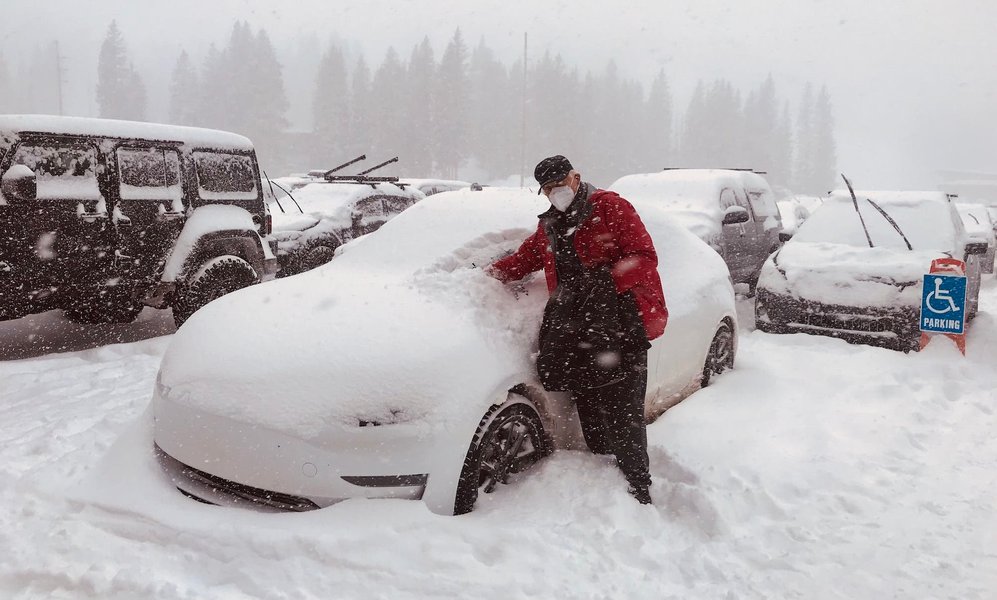
Driving a Tesla Model 3 in snowy conditions significantly impacts its overall range.
Comparing Real-World Range Across Model 3 Variants
The following table provides an honest look at what you can expect from each Model 3 trim. Remember, these are typical ranges, and your specific experience may vary slightly depending on your unique driving environment and habits.
| Trim | EPA Estimate (Recent Models) | Typical Mixed Driving (Mild Conditions) | Highway 70-75 mph (Mild Conditions) | Cold Weather Highway (Freezing, Heat On) |
|---|---|---|---|---|
| Standard Range RWD | ~321–363 miles | 280–330 miles | 240–300 miles | 200–250 miles |
| Long Range AWD | ~341–346 miles | 300–340 miles | 270–320 miles | 220–280 miles |
| Performance | ~303–315 miles | 260–300 miles | 220–270 miles | 190–240 miles |
As you can see, the drop-off is most pronounced during highway driving and in cold weather. For instance, a Long Range AWD Model 3, rated for 341 miles, might realistically deliver 270-320 miles on a highway trip in mild weather, and significantly less in winter.
"My Long Range Model 3 shows 341 miles at 100% charge. On a recent road trip doing 75 mph, I consistently got around 290 miles before needing to charge. In winter, that drops to about 240-250 miles with the heat on." - Sarah P., Model 3 Owner
Key Factors That Impact Your Real-World Range
Understanding the culprits behind range variance is the first step to mitigating their effects. Several intertwined factors constantly influence how much energy your Model 3 consumes.
1. The "Speed Demon" Effect: Highway Travel
Aerodynamic drag is the single biggest enemy of EV range at higher speeds. The faster you go, the more energy is required to push through the air. This relationship is not linear; drag increases with the square of your speed. While EPA tests average around 48 mph, actual highway speeds of 70-80 mph dramatically increase energy consumption.
Speed vs. Range Impact (Approximate)
- 55-60 mph: Often the sweet spot for efficiency, sometimes even exceeding EPA in ideal conditions due to consistent speed and effective regen.
- 65-70 mph: Expect a 10-15% reduction from EPA.
- 75-80 mph: Anticipate a 20-30% reduction, or more if facing headwinds.
- 80+ mph: Range can plummet by 35-40% or even higher.
2. The Chill Factor: Temperature and Climate Control
Cold weather is a double whammy for electric vehicles. Lithium-ion batteries perform less efficiently in low temperatures, meaning they can't deliver or accept charge as effectively. Additionally, warming the cabin and battery pack requires significant energy, directly siphoning power from your range.
Temperature's Effect on Range
- Above 70°F (21°C): Optimal battery performance, minimal range impact from temperature.
- 50-70°F (10-21°C): Slight impact, possibly 0-5% reduction.
- 32-50°F (0-10°C): Moderate impact, typically 10-20% reduction due to battery efficiency loss and intermittent heating.
- Below 32°F (0°C): Significant impact, ranging from 25-40% reduction, as substantial energy is needed for both battery and cabin heating.
Conversely, while less severe than heating, using air conditioning in hot weather also consumes energy, typically 1-3 kW, leading to a small but noticeable range reduction.
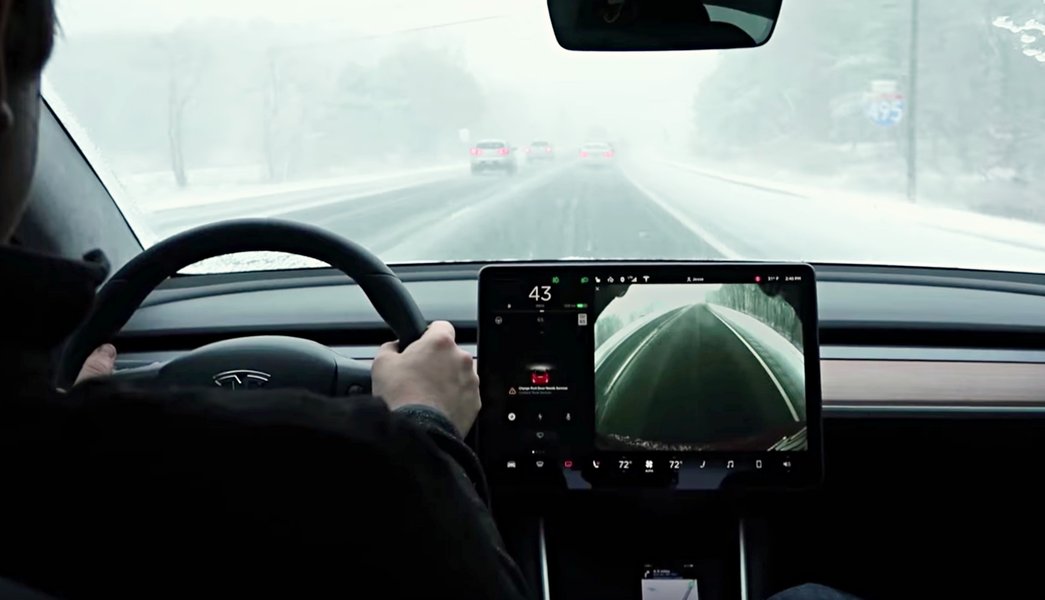
The Tesla Model 3's interior, showcasing its touchscreen which controls climate and other features impacting range.
3. Rolling Resistance: Tires and Wheels
Your Model 3's tires and wheels play a more significant role in efficiency than many realize. Larger, wider, or more aggressive performance tires tend to have higher rolling resistance, meaning more energy is needed to keep them turning. Underinflated tires also increase rolling resistance, wasting energy.
Tire and Wheel Impact
- 18-inch wheels with aero covers: Generally the most efficient setup, designed to minimize drag.
- 19-inch all-season tires: A small penalty, typically a few percent compared to 18-inch aeros.
- 20-inch performance tires: Can reduce range by 5-10% or more due to stickier compounds and increased surface area.
- Underinflated tires: Can cause a 3-5% efficiency loss for every 5 PSI below recommended pressure. Always check your tire pressure regularly.
For optimal range, maintain the manufacturer's recommended tire pressure, which is often 42 PSI (cold) for most Model 3 variants.
4. Driving Style and Terrain
How you drive directly affects your energy consumption. Aggressive acceleration and harsh braking patterns are less efficient than smooth, controlled inputs. Regenerative braking, which captures energy during deceleration, works best with gradual, anticipated stops.
- Aggressive Driving: Frequent hard acceleration and sudden braking drain the battery faster.
- Smooth Driving: Maximizes regenerative braking and reduces peak power draws, enhancing efficiency.
- Hilly Terrain: Ascending hills requires significant energy; while descending can recover some energy via regen, it's typically not a net-zero gain over flat terrain.
- Heavy Loads and Accessories: Carrying excessive weight, using roof racks, or driving with windows open at high speeds increases drag and energy use.
Maximizing Your Model 3's Real-World Range: Practical Tips
You can proactively manage your Model 3's range by adopting a few smart strategies. These tips will help you get closer to (or even exceed in some urban scenarios) the EPA estimates and ensure you have enough charge for your journeys.
Before You Drive: Preparation is Key
- Precondition While Plugged In: This is perhaps the most impactful tip, especially in cold weather. Use your Tesla app to precondition the cabin and battery before you unplug. This warms the battery to an optimal operating temperature and heats the cabin using grid power, not your battery. For fast charging, always navigate to a Supercharger to allow the car to precondition the battery.
- Check Tire Pressure Regularly: Underinflated tires are a silent range killer. Check your tire pressure monthly when the tires are cold and inflate to the recommended PSI (usually 42 PSI for Model 3).
- Remove Unnecessary Drag: Take off roof racks, cargo boxes, or bike mounts when not in use. Even small aerodynamic resistances add up on longer drives.
On the Road: Smart Driving Habits
- Moderate Your Speed: This is the biggest lever you have. On highways, try to keep your speed between 65-70 mph. Even a reduction of 5 mph can significantly extend your range. Autopilot can help maintain a consistent, efficient speed.
- Drive Smoothly: Practice "one-pedal driving" by modulating the accelerator to maximize regenerative braking. Avoid aggressive acceleration and sudden braking. Using "Chill Mode" (found in the driving settings) can help soften acceleration.
- Optimize Climate Control: In cold weather, use seat heaters and the steering wheel heater (if equipped) more than the cabin heater, as they are far more energy-efficient. Set the cabin temperature to a comfortable but not excessive level.
- Utilize Navigation and Energy App: Tesla's navigation system provides intelligent route planning with charging stops and estimates your arrival State of Charge (SoC). The in-car Energy app shows real-time consumption and trip projections, helping you understand how your driving style affects range.
A Tesla Model 3 navigating suburban streets, where regenerative braking can boost efficiency.
Charging Strategies for Optimal Range and Battery Health
- Charge to Appropriate Levels: For daily driving, most owners of Long Range and Performance Model 3s (with NMC batteries) charge to 80-90% to prolong battery life. For the Standard Range RWD with LFP (Lithium Iron Phosphate) battery, charging to 100% daily is generally recommended by Tesla.
- Plan Charging Stops for Trips: When Supercharging on a road trip, it's often more efficient to charge to 60-80% and continue, rather than charging to 100%. Charging speeds slow down significantly above 80% SoC. The built-in Trip Planner guides you on optimal charge levels and durations.
"I've found that simply driving 5 mph slower on the highway adds about 20-30 miles to my effective range. It's the easiest win for extending my Model 3's mileage." - David L., Model 3 Owner
Setting Realistic Expectations by Trip Type
Understanding how range varies based on your typical driving scenarios will eliminate range anxiety and enhance your Model 3 ownership.
City and Suburban Commuting
In urban environments, Model 3s often perform very well, sometimes even exceeding EPA estimates. This is due to lower average speeds and frequent opportunities for regenerative braking to recapture energy. The start-stop nature of city driving, combined with the Model 3's efficient drivetrain, makes it an ideal environment for EV efficiency.
Highway Road Trips (70-75 mph)
This is where the biggest discrepancy with EPA figures typically occurs. Plan for approximately 70-85% of your car's EPA rating when consistently cruising at 70-75 mph in mild temperatures. Add a buffer for headwinds, rain, or colder temperatures. Always use the in-car navigation to plan your charging stops, as it accounts for elevation changes and charger availability.
Winter Driving and Short Hops
Cold weather driving will yield the lowest effective range. Expect 60-70% of the EPA range in freezing conditions, especially if you're making many short trips where the battery and cabin constantly need to be warmed. Preconditioning your car while plugged in before leaving is crucial for winter efficiency.
The Model 3's Enduring Efficiency Advantage
Despite the real-world variations, the Tesla Model 3 remains one of the most efficient electric vehicles on the market. Its sleek aerodynamic design (with a drag coefficient as low as 0.23), sophisticated thermal management system, and highly efficient electric motors contribute to its excellent performance.
Recent updates, such as the "Highland" refresh, have further enhanced efficiency through:
- Improved aerodynamics with revised front and rear bumpers.
- New, lower rolling resistance tires.
- Enhanced sealing and insulation for better climate control efficiency.
- More efficient heat pump system.
Conclusion: Embracing the Reality of EV Range
The difference between the Tesla Model 3's EPA-rated range and what you experience in daily driving isn't a flaw; it's simply the nature of how standardized laboratory tests compare to the dynamic variables of the real world. By understanding the factors that influence your range – primarily speed, temperature, and driving style – you empower yourself to manage expectations and optimize your electric vehicle experience.
The key to satisfaction isn't about always hitting the EPA numbers, but rather about knowing your car's capabilities in various scenarios and planning accordingly. Armed with these insights and practical tips, you can confidently navigate any journey in your Model 3, enjoying its performance and efficiency without range anxiety.
Whether you're a prospective buyer or a seasoned owner, embracing these real-world realities will make your Tesla Model 3 ownership more predictable and enjoyable. Drive smart, precondition, and enjoy the ride!
